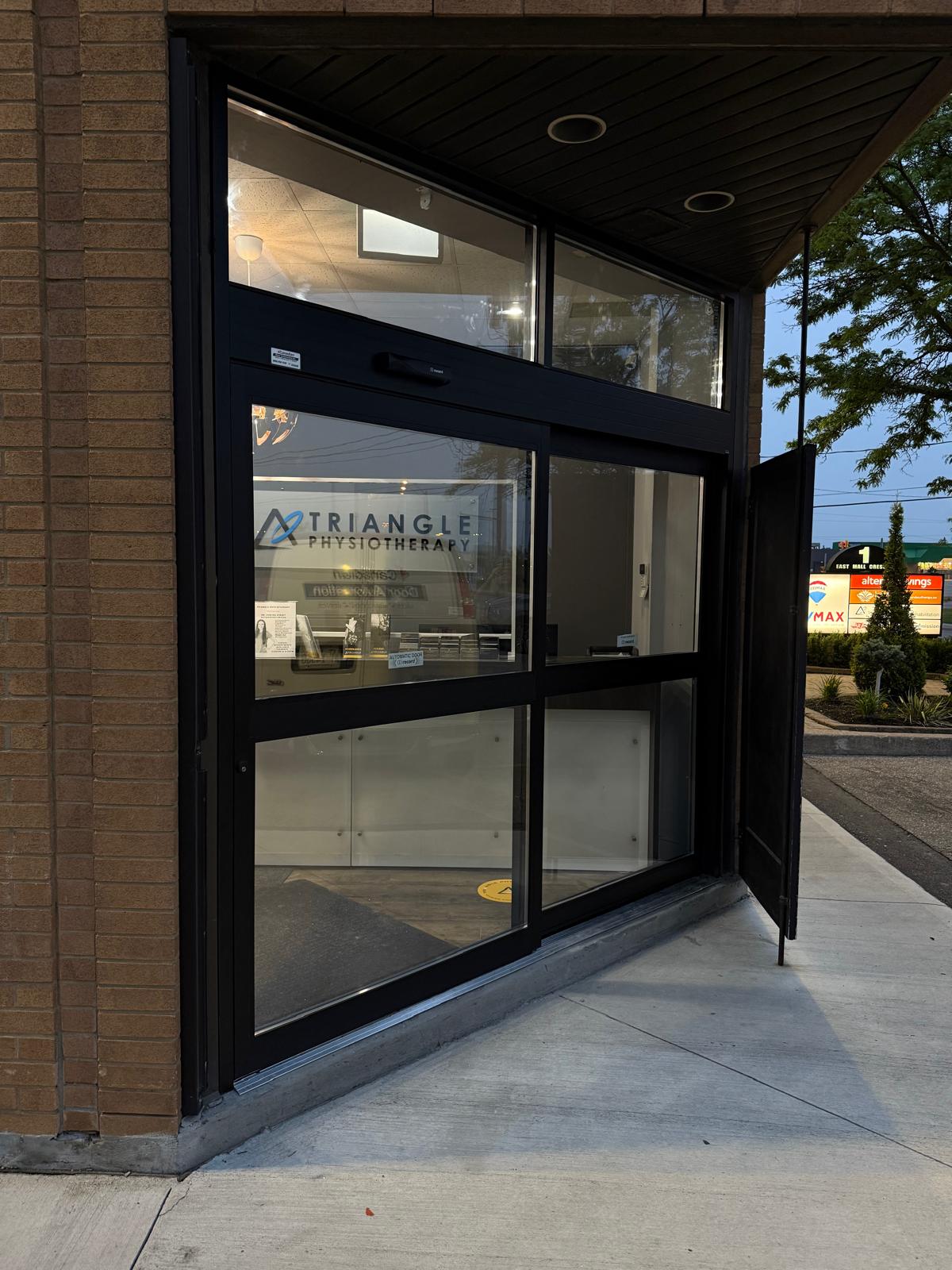
Automatic doors are a crucial part of modern architecture, providing ease of access and enhancing the flow of foot traffic in commercial and public spaces. However, like all mechanical systems, they can encounter issues that disrupt their functioning. Understanding the common problems and how to troubleshoot them can save time and resources. This article delves into typical automatic door issues and offers practical solutions. For more in-depth assistance, discover expert strategies here.
Common Automatic Door Problems
Door Not Opening or Closing Properly
One of the most frequent issues with automatic doors is their failure to open or close correctly. This can be due to several factors:
- Sensor malfunction: Sensors might be blocked or misaligned.
- Power supply issues: Check if the door is receiving adequate power.
- Obstruction: Physical barriers in the door path can hinder operation.
Regular maintenance can prevent these issues. Learn about our tailored solutions to ensure seamless door operations.
Slow or Unresponsive Operation
Automatic doors should operate efficiently and swiftly. If they become slow or unresponsive, consider the following:
- Lubrication: Lack of lubrication can cause friction and slow movement.
- Worn-out components: Over time, parts like rollers and springs may wear out.
- Incorrect settings: Review the door’s settings to ensure they are optimized for performance.
Addressing these components can restore the door’s speed and responsiveness. Explore advanced guides and tips for optimizing your equipment.
Noise and Vibration
Excessive noise or vibration during operation can indicate underlying issues. Possible causes include:
- Loose parts: Fasteners and brackets may need tightening.
- Debris buildup: Dirt and debris in the tracks can cause friction.
- Mechanical wear: Components like gears and belts may require replacement.
Regular inspections can prevent these problems. Find out more about this approach to maintain quiet and smooth door operations.
Preventative Maintenance Tips
Proactive maintenance can significantly reduce the occurrence of these issues. Consider the following tips:
- Schedule regular inspections to identify and address potential problems early.
- Clean sensors and tracks regularly to prevent obstruction and malfunction.
- Ensure all moving parts are properly lubricated to reduce wear and tear.
- Review and update settings periodically to match operational needs.
By following these preventative measures, the longevity and reliability of automatic doors can be enhanced. For more detailed guidelines, explore advanced guides and tips.
Conclusion
Automatic doors are an integral part of today’s infrastructure, and ensuring their optimal performance is essential. Familiarity with common issues and their solutions enables better management and maintenance of these systems. When in doubt, professional services can provide comprehensive support and solutions. Learn about our tailored solutions to keep your automatic doors operating smoothly and efficiently.
About the Author