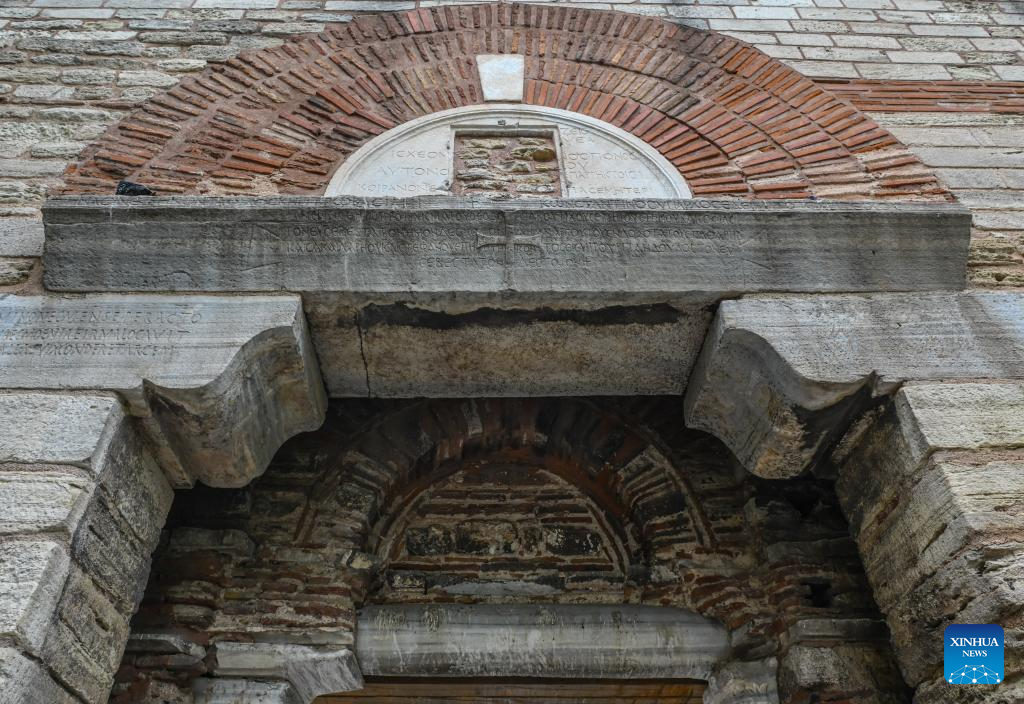
Restoring heritage buildings is a practice that merges the past with the present, preserving cultural narratives and architectural grandeur for future generations. These structures, often embodying significant historical and aesthetic value, require delicate and skillful handling to maintain their integrity while adapting to contemporary needs. The restoration of such buildings is not merely a conservation effort; it is an investment in the timeless beauty and historical significance that these edifices represent. As society recognizes the importance of maintaining its architectural heritage, the demand for skilled restoration is growing, offering new opportunities for innovation in the field.
The Importance of Heritage Building Restoration
Heritage building restoration is crucial for a multitude of reasons beyond mere aesthetics. These structures serve as tangible connections to the past, providing insights into architectural styles, cultural practices, and historical events. The preservation of these buildings ensures that they remain a source of education and inspiration for future generations. Moreover, restored heritage buildings can have a significant impact on local economies by attracting tourism and promoting community pride.
- Preservation of cultural identity and historical narratives.
- Enhancement of tourism and local economic growth.
- Promotion of sustainable development practices by reusing existing structures.
Challenges in Heritage Building Restoration
The restoration of heritage buildings is fraught with challenges that require meticulous planning and execution. One of the primary difficulties is the need to balance modern safety standards with historical accuracy. Additionally, sourcing materials that match the original construction can be both expensive and logistically challenging. However, with the right strategies and expert guidance, these challenges can be effectively managed. Discover expert strategies here.
Addressing Structural Integrity
One of the foremost concerns in any restoration project is the structural integrity of the building. Over time, environmental factors and neglect can lead to significant deterioration of the foundational elements. To address these issues:
- Conduct comprehensive structural assessments to identify areas needing reinforcement.
- Utilize modern engineering techniques to enhance stability without compromising historical accuracy.
- Employ skilled professionals experienced in heritage projects to ensure quality and authenticity.
Material Sourcing and Conservation
The challenge of sourcing authentic materials is often compounded by the need for specialized craftsmanship. The goal is to maintain the building’s original character while incorporating modern durability. Learn about our tailored solutions.
- Identify suppliers who specialize in traditional materials and methods.
- Use modern technology to create replicas of unavailable materials.
- Implement conservation techniques that preserve original materials whenever possible.
Modern Techniques in Heritage Restoration
With advancements in technology, the restoration of heritage buildings has embraced innovative methods that enhance efficiency and precision. These technologies facilitate more accurate assessments and allow for more effective restoration practices. Explore advanced guides and tips.
Digital Documentation and 3D Modeling
Digital tools have revolutionized the way restoration projects are approached. 3D modeling and digital documentation provide detailed insights into the building’s structure and condition, making it easier to plan restoration activities.
- Use laser scanning to create precise digital models of the building.
- Facilitate virtual simulations to test restoration techniques before physical implementation.
- Enhance project planning with comprehensive digital data.
The Economic and Cultural Benefits of Restoration
Investing in the restoration of heritage buildings not only preserves cultural heritage but also offers substantial economic benefits. These projects can revitalize communities, increase property values, and create jobs in the restoration industry. Find out more about this approach.
- Boost local economies through increased tourism and cultural activities.
- Create employment opportunities in construction, tourism, and heritage sectors.
- Enhance community identity and pride, fostering a sense of place and belonging.
In conclusion, the restoration of heritage buildings is a multifaceted investment that offers a wealth of benefits, from cultural preservation to economic revitalization. By embracing modern techniques and maintaining a commitment to authenticity, these projects ensure that the architectural legacies of the past continue to enrich our present and future.
About the Author