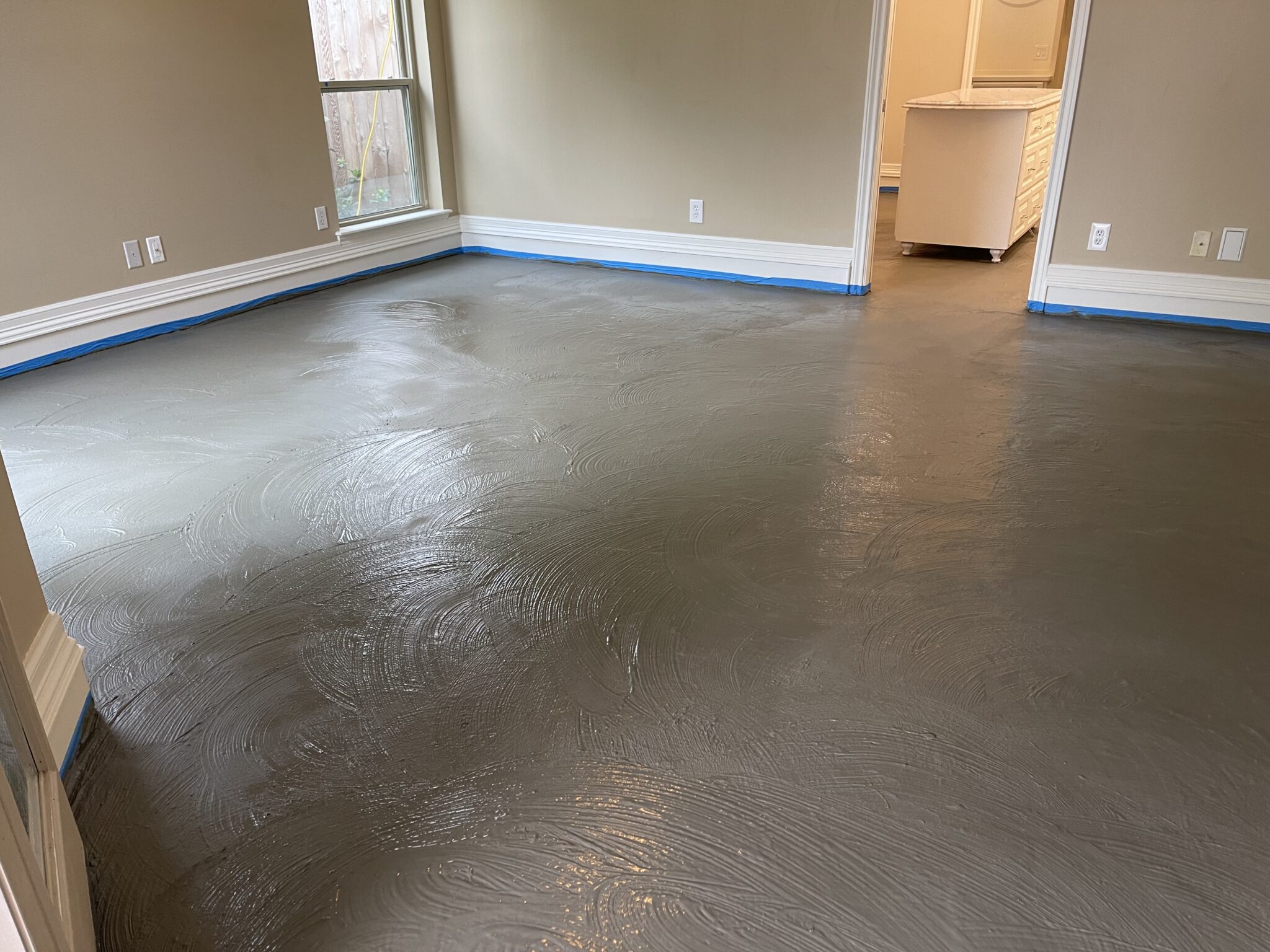
Basement foundations are the unseen heroes that keep a home stable and safe. Over time, natural settling, moisture intrusion, and soil movement can weaken this critical structure. Recognizing the early warning signs of foundation distress can prevent costly repairs and protect the integrity of the entire house. This guide outlines the most common indicators that a basement may require professional repair, helping homeowners act before minor cracks become major failures.
Visible Cracks and Shifts in Walls and Floors
Physical changes in the basement’s interior are often the first clues that something is amiss. While small hairline cracks are normal, certain patterns suggest structural movement.
- Horizontal or stair-step cracks in foundation walls – these usually signal lateral pressure from expanding soils.
- Vertical cracks that widen over time may indicate settlement or shifting footings.
- Floor bulges or unevenness that cause doors and cabinets to stick.
- Cracks around window and door frames that appear suddenly or enlarge quickly.
When these symptoms appear, it’s advisable to Discover expert strategies here to assess the severity and plan appropriate remediation.
Water Intrusion and Moisture Problems
Excess moisture is a leading cause of foundation deterioration. Persistent dampness can erode concrete, promote mold growth, and accelerate soil expansion.
Key moisture-related signs
- Standing water after heavy rain or snow melt.
- Efflorescence – white, powdery deposits on walls caused by salt migration.
- Musty odors indicating mold or mildew behind walls.
- Peeling paint or wallpaper on interior surfaces.
Addressing drainage issues early can stave off extensive damage. For a deeper dive into waterproofing options, Learn about our tailored solutions that align with local soil conditions.
Structural Deformations and Misalignments
Beyond surface cracks, the foundation may exhibit movement that affects the entire building envelope.
- Doors and windows that no longer close properly, often rubbing on the frame.
- Gaps between walls and ceilings, especially near the floor line.
- Uneven floor joists that create a noticeable slope when walking across the basement.
- Visible separation between the foundation and the house’s exterior siding.
These signs often require a comprehensive assessment. Professionals can Explore advanced guides and tips on structural reinforcement techniques such as piering and slabjacking.
Persistent Odors and Air Quality Issues
While not always obvious, a compromised foundation can affect indoor air quality. Moisture-laden basements become breeding grounds for allergens.
- Continuous musty or sour smells despite ventilation efforts.
- Increased allergy symptoms among occupants, especially during humid months.
- Visible mold patches on walls, floors, or stored items.
- Condensation forming on cold surfaces, indicating inadequate insulation or vapor barriers.
Improving the foundation’s seal can dramatically improve health outcomes. To understand how proper sealing works, Find out more about this approach and its impact on indoor environments.
When to Seek Professional Evaluation
Not every crack or damp spot warrants immediate repair, but certain thresholds signal the need for an expert opinion.
- Cracks wider than ?? inch (6″?mm) or that continue to grow.
- Recurring water accumulation after drainage improvements.
- Structural shifts that affect load-bearing walls or columns.
- Any sign of mold that cannot be eliminated with standard cleaning.
Engaging a qualified foundation specialist ensures accurate diagnosis and cost-effective solutions. The expertise found at reputable resources like Discover expert strategies here can guide homeowners through inspection, budgeting, and project planning.
Conclusion
Early detection of foundation distress is essential for preserving a home’s safety and value. By staying vigilant for cracks, moisture, structural misalignments, and air-quality concerns, homeowners can act before minor issues evolve into major repairs. Leveraging professional insights and proven repair methods, available through trusted industry guides, provides a clear path to a stable, dry, and healthy basement.
About the Author