Lager is one of the most popular types of beer globally, known for its crisp and refreshing qualities. Among the various forms it comes in, lager cans have gained significant popularity owing to their convenience and preservation qualities. This article explores the essentials of lager cans, focusing on their size, design, and preservation. Understanding these aspects can greatly enhance the beer-drinking experience and ensure that the quality of the beer is maintained from production to consumption.
Size Matters: Choosing the Right Lager Can
The size of a lager can is an important factor that affects not only the quantity of beer but also its portability and storage. Lager cans are available in a variety of sizes, each catering to different preferences and occasions.
- Standard Size (330 ml): The most common size, ideal for individual servings and easy storage.
- Tallboy (500 ml): Perfect for those who want a larger serving, often preferred during outdoor events and gatherings.
- Mini-keg (5 liters): Suitable for parties or large gatherings, offering a draft beer experience at home.
Choosing the right size depends largely on personal preference and the context in which the beer is being consumed. For those interested in discovering the different sizes available, explore the lager cans section for more options.
Design Elements: Aesthetic and Functional Considerations
The design of lager cans goes beyond aesthetic appeal. It plays a crucial role in defining the brand’s identity and ensuring the beer’s freshness.
Brand Identity and Appeal
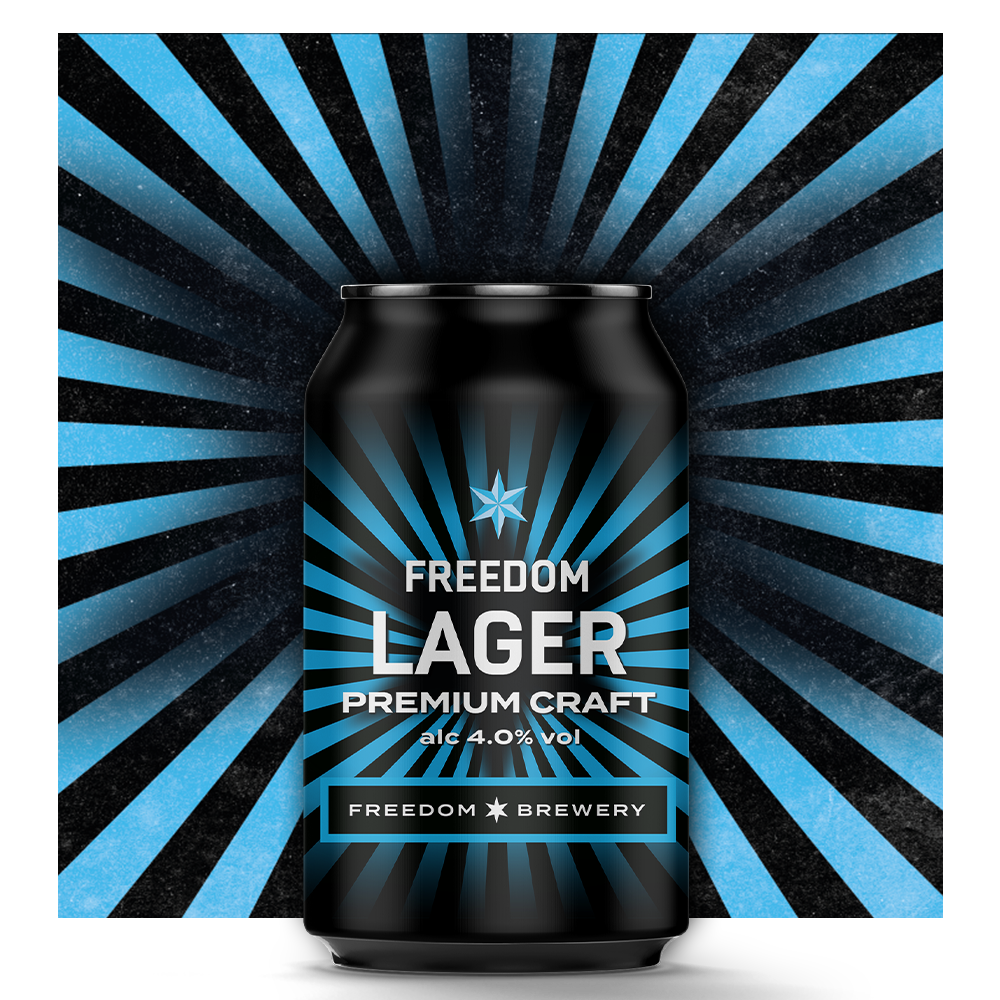
The visual design of a can serves as a critical touchpoint between the brand and its consumers. Elements such as color, typography, and imagery are carefully chosen to reflect the brand’s ethos and attract the target audience. A well-designed can not only stands out on the shelves but also creates a memorable impression.
Functional Design for Freshness
Beyond aesthetics, the design of a lager can is instrumental in preserving the quality of the beer. Key functional aspects include:
- Sealing Technology: Advanced sealing techniques prevent oxidation and contamination, ensuring the beer remains fresh.
- Material Quality: High-quality aluminum is often used, which is recyclable and helps maintain the beer’s temperature.
- Easy-to-Open Features: Tabs and pull rings are designed for ease of use, providing quick access without tools.
Preservation: Keeping Lager Fresh and Flavorful
Preserving the freshness of lager is paramount for maintaining its flavor and overall drinking experience. Lager cans are designed to optimize these preservation processes.
Advantages of Canning
Cans offer several advantages over other packaging options when it comes to preserving the quality of lager:
- Light Protection: Cans completely block out light, preventing the beer from becoming “lightstruck” or skunky.
- Oxygen Barrier: The seal on a can is more effective at keeping oxygen out, which is crucial for preserving the beer’s taste.
- Temperature Control: Aluminum cans chill quickly and are better at maintaining a consistent temperature, especially when stored in a cooler.
Storage Tips
For optimal preservation, it’s essential to store lager cans correctly. Here are some tips:
- Store in a cool, dark place to maintain the beer’s flavor.
- Avoid temperature fluctuations, which can affect the beer’s stability.
- Consume by the expiration date to enjoy the lager at its peak quality.
In conclusion, understanding the nuances of lager cans, from size and design to preservation, can significantly enhance the beer-drinking experience. By carefully selecting the right can and following storage best practices, consumers can enjoy a lager that is as fresh and flavorful as intended by its brewers. For more information on the range of lager cans available, visit the comprehensive selection of lager cans offered by Freedom Brewery.
About the Author