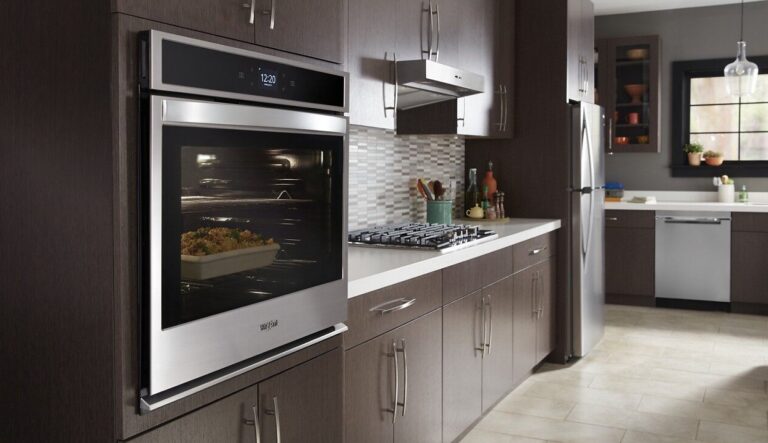
In today’s fast-paced world, convenience in the kitchen is paramount, and the microwave oven is a quintessential appliance that meets this need. However, the installation of a microwave is not as straightforward as simply plugging it in. It requires careful consideration of several factors to ensure safety, functionality, and aesthetic appeal. Whether renovating a kitchen or simply upgrading an appliance, understanding the nuances of microwave installation is crucial. This article provides insights into a quick and reliable microwave installation service, offering expert tips and advice for an efficient setup.
Understanding the Basics of Microwave Installation
When it comes to installing a microwave, one must consider various elements that ensure both safety and efficiency. Among these are the different types of microwave installations, including over-the-range, built-in, and countertop models. Each type presents unique challenges and benefits, making it essential to choose the right one based on specific needs and kitchen layout.
- Over-the-Range: This installation is ideal for saving counter space and integrating the microwave with the kitchen’s ventilation system.
- Built-In: These models provide a sleek look by fitting into cabinetry, often above ovens or within wall units.
- Countertop: The simplest form of installation, as these do not require any special fitting. However, they do occupy valuable counter space.
For further insights into selecting the best microwave type, discover expert strategies here.
Key Considerations for a Smooth Installation
Electrical Requirements and Safety
Ensuring that the electrical setup is adequate for a microwave is a critical step in the installation process. Microwaves typically require a dedicated circuit to operate safely and efficiently.
- Verify that the circuit can support the microwave’s wattage.
- Ensure that the outlet is properly grounded.
- Consult with an electrician if there are any uncertainties regarding the electrical setup.
Proper installation not only prevents potential electrical hazards but also enhances the performance of the appliance. Learn about our tailored solutions to ensure electrical safety during installation.
Ventilation and Placement
Effective ventilation is crucial, particularly for over-the-range microwaves. This installation type often integrates with the kitchen’s ventilation system to expel steam, smoke, and odors.
- Ensure that the microwave is installed at the appropriate height to avoid obstructing views or access.
- Check that the ventilation is unobstructed and functions efficiently.
- Consider the proximity to cooking surfaces and ensure ample clearance.
For more detailed guidelines on ventilation considerations, explore advanced guides and tips.
Professional Installation for Peace of Mind
Opting for professional installation services can significantly reduce the risk of errors and ensure that the appliance operates safely and efficiently. Professional installers possess the necessary expertise to handle complex installations and troubleshoot potential issues.
Benefits of professional installation include:
- Accurate measurements and fitting.
- Ensured compliance with safety standards.
- Expert advice on optimal placement and usage.
- Warranty protection by ensuring proper installation.
To understand the benefits of choosing a professional service, find out more about this approach.
Conclusion
Installing a microwave involves more than just setting it on a counter or mounting it above a stove. It requires careful planning and execution to ensure both safety and functionality. Whether choosing a DIY route or hiring a professional, being informed about the process is essential. For those looking for a seamless experience, exploring professional installation services can provide peace of mind and guarantee that the appliance functions at its best. The right guidance and expertise make all the difference in achieving a quick and reliable microwave installation.
About the Author